
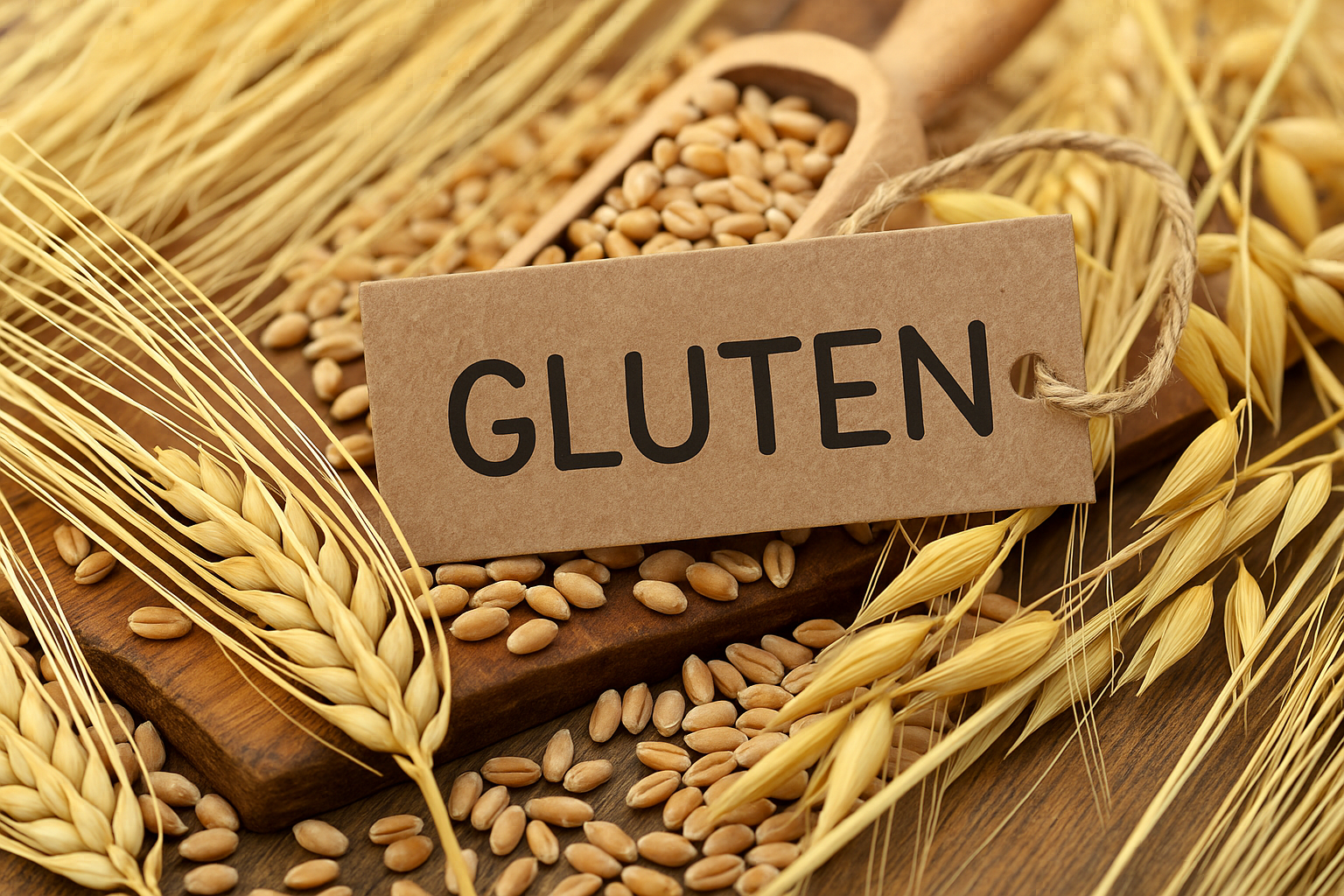
Gluten and Health: What You Need to Know Before Going Gluten-Free
Should You Go Gluten-Free? Not Without a Medical Reason
In recent years, the gluten-free diet has become a popular health trend. Social media influencers, celebrity endorsements, and aggressive marketing by food manufacturers have fuelled a sharp rise in gluten-free eating—even among people without any diagnosed gluten-related disorder.
But should everyone avoid gluten? As a Registered Dietitian specialising in gut health, I can confirm that the answer is: no. Unless you have a medically diagnosed condition such as coeliac disease or non-coeliac gluten sensitivity, removing gluten from your diet may do more harm than good.
What Is Gluten and Who Should Avoid It?
Gluten is a protein found in wheat, barley, and rye. It helps dough rise and gives bread its texture. In people with coeliac disease, gluten triggers an immune response that damages the lining of the small intestine, leading to malabsorption of nutrients. Other gluten-related conditions include:
- Non-coeliac gluten sensitivity (NCGS)
- Gluten ataxia (a rare neurological disorder)
- Wheat allergy
These are specific medical conditions that require careful diagnosis and expert dietetic support.
The Rise of the Gluten-Free Diet: Driven by Misinformation
Despite the low global prevalence of coeliac disease (about 1%), the gluten-free food market is booming. Research shows the global market for gluten-free products was valued at USD 6.95 billion in 2023, with projections reaching USD 14.9 billion by 2032.
This growth is largely driven by nutrition misinformation, marketing hype, and a misconception that gluten is inherently harmful—even for people without diagnosed sensitivity or disease.
Related research:
- Biesiekierski et al. (PMID: 27763541)
- Skodje et al. (PMID: 29381930)
- Fasano et al. (PMID: 29202198)
The Health Risks of Unnecessary Gluten Avoidance
Unless medically required, cutting out gluten-containing grains can lead to a range of nutritional deficiencies and health risks, including:
1. Micronutrient Deficiencies
Whole grains are rich in:
- B vitamins (thiamine, riboflavin, niacin, folate)
- Iron, zinc, magnesium, phosphorus, copper, potassium
- Fibre and Vitamin E
Many gluten-free alternatives are highly refined and lack these essential nutrients because they are stripped of the bran and germ during processing (PMID: 28381563).
2. Higher Risk of Chronic Disease
Diets high in refined carbohydrates and low in whole grains increase the risk of:
- Hyperglycaemia
- Type 2 diabetes
- Coronary artery disease
(See: Satija et al., PMID: 22095454; JAMA Network Open, DOI: 10.1001/jamanetworkopen.2025.3152)
3. Disruption of Gut Microbiota
Low-fibre gluten-free diets can starve gut bacteria of key substrates needed for hormone and immune regulation (PMID: 29606920).
4. Fructans, Not Gluten, Often Cause Symptoms
People with Irritable Bowel Syndrome (IBS) often believe gluten is the culprit when in fact, fructans—a type of FODMAP found in wheat, barley, and rye—are responsible (PMID: 28702325; PMID: 28810029).
5. Risk of Orthorexia Nervosa
Obsessive food avoidance, especially of entire food groups like gluten-containing grains, can lead to a condition called orthorexia nervosa—an unhealthy fixation on “clean eating.”
When Is a Gluten-Free Diet Beneficial?
A gluten-free diet (GFD) is essential for people with:
- Coeliac disease
- Gluten ataxia
- Wheat allergy
- Non-coeliac gluten sensitivity (NCGS)
Emerging evidence also suggests that a GFD may benefit individuals with certain autoimmune conditions such as:
- Hashimoto’s thyroiditis
- Graves’ disease
- Type 1 diabetes
- Rheumatoid arthritis
(See: PMID: 29202198; PMID: 27763541)
Studies show these conditions share common genetic and immune pathways with coeliac disease. Gluten may also worsen symptoms in a small percentage of people with IBS or inflammatory bowel disease (IBD), and research is exploring links between gluten and endometriosis symptoms (PMID: 29606920).
Gluten-Free Does Not Always Mean Healthy
The label “gluten-free” does not guarantee that a product is nutritionally balanced. Many gluten-free foods are ultra-processed, high in sugar, low in fibre, and lacking essential vitamins and minerals. Excluding gluten without medical guidance can undermine your overall dietary quality and lead to preventable health problems.
What to Do if You Suspect a Gluten Issue
If you believe gluten is affecting your health:
- Do not self-diagnose.
- See your GP for coeliac screening before starting a gluten-free diet—testing is only accurate if you are still eating gluten.
- Consult a Registered Dietitian with experience in gastrointestinal health for dietary assessment and guidance.
A specialist dietitian can recommend appropriate investigations and work with your GP to determine whether gluten exclusion is medically necessary.
Key Takeaway
Unless you have a clinically diagnosed reason to avoid gluten, you are better off eating a balanced, fibre-rich diet that includes a variety of whole grains like wheat, oats, rye, and barley, as well as naturally gluten-free options like quinoa, brown rice, and maize. This approach supports gut health, delivers key nutrients, and helps maintain overall wellbeing.
References
- Lebwohl B et al. (2017). PMID: 28702325
- Biesiekierski JR et al. (2016). PMID: 27763541
- Rej A et al. (2017). PMID: 28810029
- Satija A et al. (2017). PMID: 22095454
- Skodje GI et al. (2018). PMID: 29381930
- Molina-Infante J et al. (2017). PMID: 28381563
- Fasano A. (2017). PMID: 29202198
- Barbaro MR et al. (2018). PMID: 29606920
- JAMA Network Open (2025). DOI: 10.1001/jamanetworkopen.2025.3152
