
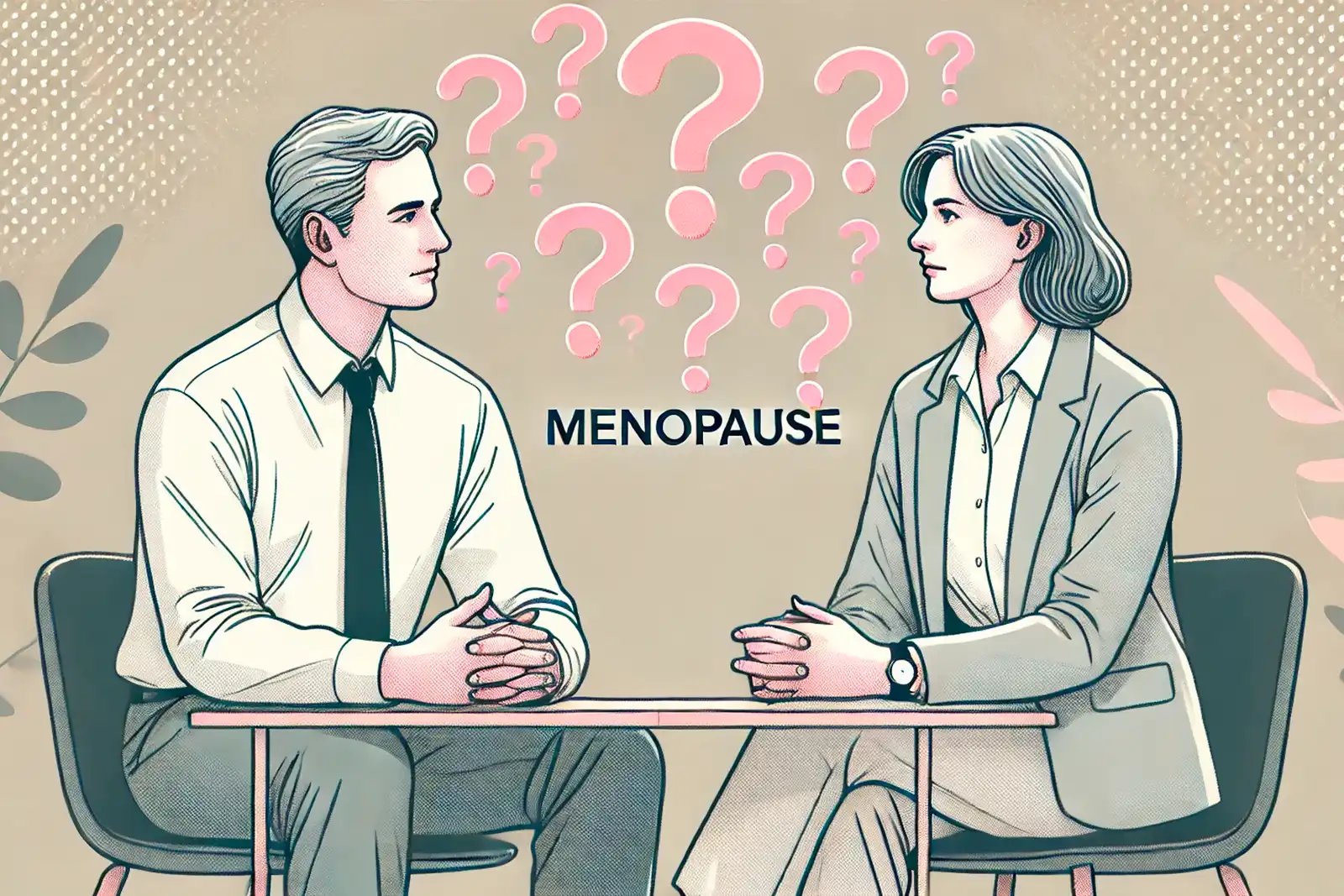
Supporting Your Partner Through Perimenopause and Menopause
As your partner enters perimenopause and transitions into menopause, they are experiencing significant physical, emotional, and hormonal changes. This guide will help you understand what they are going through and how best to support them during this natural yet challenging life transition.
Understanding the Basics
Menopause is not a sickness but a natural transition from one life stage to another. It is often more dramatic in women than in men, primarily because women gradually lose their fertility. How so? Well, we are born with a set number of eggs that are used when we reach sexual maturity, but with every menstruation, we have fewer and fewer eggs. By the mid-thirties, we typically have only about 20% of the eggs we were born with. As women age, their ovaries produce less of the main sex hormones that define female health: progesterone, testosterone, and oestrogen. Most oestrogen is produced in the ovaries. With hormonal changes, symptoms may arise, which in some women are very mild and almost unnoticeable, but cellular-level changes begin as oestrogen receptors are found throughout the body—in sexual organs, the bladder, muscles, brain, heart, and more.
Understanding that these changes need to be appreciated by the person experiencing them is the first step. This includes understanding one’s own body, recognising how early changes can start, and considering how to proceed through the life stages from the twenties to thirties and beyond. For some women, this change may begin earlier due to factors such as surgery-induced menopause. In such cases, women enter menopause abruptly due to, for example, the surgical removal of the ovaries, with no transitional period called perimenopause.
Bottom line: Understanding one’s own body is essential to recognising when something is amiss. It also involves brushing up on our knowledge of the human body and the difficult part for some due to negative perception of aging in the western cuture- accepting that we all age—each gender and individuals who have undergone gender changes included.
Once we know what hormonal changes are due to ageing, the next step is to understand the stages of this transition. Broadly, there are three stages: perimenopause, menopause, and postmenopause.
- Perimenopause typically begins around age 40 and can last 4-10 years. However, ethnicity can play a role, with some women starting earlier. Not enough studies exist examining how this transition differs among women of different ethnic backgrounds. The studies that do exist have mixed results: several small studies report that menopause occurs approximately six months earlier in Black women compared to age-matched White women, while other larger studies report no racial difference. Early perimenopause is usually when women first experience changes in menstrual cycle patterns, with periods becoming infrequent and cycles slightly longer, such as 6-7 weeks apart.
- Menopause is officially reached when your partner hasn’t had a period for 12 consecutive months. Menopause itself is the one-day event marking the final period after a full year without menstruation. It is important to remember that lifestyle choices, such as smoking, can negatively impact and accelerate these processes. Although these changes are natural, they can be physically and emotionally challenging.
Common Symptoms Your Partner May Experience
There are a number of symptoms your partner may experience during both perimenopause and menopause. The list can be long, and it may be challenging to distinguish which symptoms are related to hormonal changes and which might have other causes. Awareness helps in facilitating conversations to work out what is happening and how best to support your partner.
One symptom that may perplex you—and which, sadly, some UK statistics show can contribute to relationship breakdown around this time—is mood swings.
Your partner is going through significant hormonal shifts, not just around their period but throughout the cycle. These hormones fluctuate several times daily, and those changes can feel enormous, like tsunami waves. It’s not that your partner is no longer the person you fell in love with; rather, her body is experiencing changes beyond her control, and she may not yet fully understand what’s happening. As her partner, you may be the first to suggest that perhaps these shifts aren’t something “big and sinister” but rather natural hormonal fluctuations. Let’s look at who and how to offer support.
Mood swings and irritability are often linked to other changes occurring at the same time. Hormones also affect the female nervous system, which may lead to heightened anxiety. Changes in sleep patterns are common because as oestrogen decreases sharply, so do melatonin levels, though melatonin drops more gradually. This decline in hormones in premenopausal, menopausal, and postmenopausal women—and the complex interaction among them—can significantly contribute to sleep problems, poor concentration, fatigue, and a decreased quality of life. Note that sleep deprivation can impact gut microbes after just two days of insufficient sleep and can also cause inflammation, which further raises stress hormones in the body.
Your partner may also experience hot flushes and urinary symptoms, which add to her stress, making her more prone to crying or even throwing objects in frustration—behaviour that you may find uncharacteristic.
Night sweats can also interfere with sleep. When severe, she may need to change her pyjamas and even the bed sheets.
Aside from increased anxiety and stress, memory problems and “brain fog” are common. Without associating them with menopause, women may even fear they are developing early dementia. It is understandably frightening and frustrating when one’s previously excellent memory or ability to analyse information seems diminished. Interestingly, there is mounting evidence from preclinical and translational studies identifying a link between the loss of oestrogen’s neuroprotective effects post-menopause and the later development of dementia in women. Globally, two-thirds of clinically diagnosed dementia cases are women.
Intimacy may also be affected due to discomforts such as vaginal dryness, recurring UTIs, low libido, and fatigue—all driven by hormonal fluctuations during perimenopause. Oestrogen changes can impact nutrient use, particularly carbohydrates, which may lead to weight gain and body composition changes. Processing and embracing these changes can be difficult, and finding ways to cope may take time.
A range of gastrointestinal changes can occur for a variety of reasons, including cellular changes in the gut lining and the impact of sleep disturbances on gut health. Although we’ll explore this in another post, note that she may feel more bloated than usual, may not tolerate alcohol well, and may experience other digestive issues.
Hormonal changes also affect bone and muscle health. Menopause increases the risk of osteoporosis, so symptoms like joint pain or muscle loss may become noticeable.
How Can You Help?
- Educate Yourself
- Read reliable resources about menopause. This post is your first step, but refer to sources like the British Menopause Society, the British Dietetic Association (for food guidance), or the European Menopause and Andropause Society. Many companies invite professionals to speak on menopause to support employee wellbeing. Just because menopause doesn’t happen to you doesn’t mean you cannot attend one of these sessions if available at your workplace.
- Listen to your partner’s experiences without trying to “fix” everything. Often, they may not want a solution but simply a space to express concerns.
- Attend medical appointments together (if invited), as she may need support processing the information shared. It is also a chance for you to understand her challenges better.
- Ask questions to better understand her experiences. This requires patience and sensitivity, as it’s an emotional time, but showing her that you know she is still the same person—albeit struggling—can improve communication.
- Emotional Support
- Practice active listening. Show that you understand, respond thoughtfully, and retain what’s been shared. This skill takes time to develop but can improve communication.
- Validate her feelings without minimising the challenges she’s facing. Patience with mood changes is essential, as these shifts are not within her control.
- Maintain open communication about intimacy and find ways to express appreciation and affection regularly. Light humour, when appropriate, can also be helpful.
- Intimacy and Connection
- Keep in mind what she is going through. The knowledge you gain can guide patience in understanding changes in sexual desire.
- Discuss options for affection that may feel less sexual but still enjoyable, fostering connection and helping each of you understand any physical discomforts.
- Consider couples counselling if communication feels challenging. Counselling offers a proactive way to improve communication without waiting for things to deteriorate.
- Practical ‘Hands-On’ Support
- Practical changes may include helping maintain a cool sleep environment or supporting exercise routines, such as joining her in yoga or weight-bearing activities.
- Take on household tasks when fatigue hits and support her in tracking symptoms and appointments if she feels tired or overwhelmed.
- Lifestyle Support
- Support dietary adjustments by joining in if possible, but educate yourself as changes should be meaningful and gradual. If unsure, consider booking an appointment with a Registered Dietitian specialising in menopause and age-related dietary needs.
- As her hormones impact anxiety and stress, help her create relaxing routines like meditation, breathing exercises, or self-care. Identifying and minimising stressors is also essential.
Final advice: Avoid common mistakes like dismissing symptoms or using phrases such as, “it’s just hormones” or “everyone goes through this.” Every woman’s experience is unique, so listen without trying to fix. If you want to offer a solution, ask first if it’s wanted. Try to focus on her experience and be supportive without centring your own discomfort.
Although this isn’t about you, don’t ignore your own needs. Understanding her and practising sensitive communication will help, and remember, rejection may be due to physical discomfort, not you. Just as with anyone needing more support than usual, find time to look after your own physical and mental health.
Encourage her to seek professional support as needed, especially if symptoms significantly impact daily life, or if depression or anxiety becomes severe. A better partnership can be built with long-term strategies like regular check-ins, planning activities that bring joy and relaxation, setting shared goals, and being open to discussing emotions and challenges. Building mutual support, maintaining open communication, and celebrating progress together can also strengthen the relationship over time.
Remember, this transition is temporary, but your support can strengthen your relationship permanently. Your partner needs your understanding, patience, and active support now more than ever. Supporting someone through perimenopause and menopause is an opportunity to deepen your relationship and demonstrate true partnership. By staying informed, patient, and supportive, you can help ease her transition while strengthening your bond.
In summary: The most important things to remember are:
- Every woman’s experience is unique
- This is a natural transition, not an illness
- Your support makes a significant difference
- Open communication is essential
- This time will pass, but your partnership can grow stronger
I’ve created a comprehensive guide to help partners better understand and support their loved ones through perimenopause and menopause.
If you would like to learn more about nutrition and lifestyle adjustments to better support your partner on her journey, please don’t hesitate to contact me to book an appointment.
