
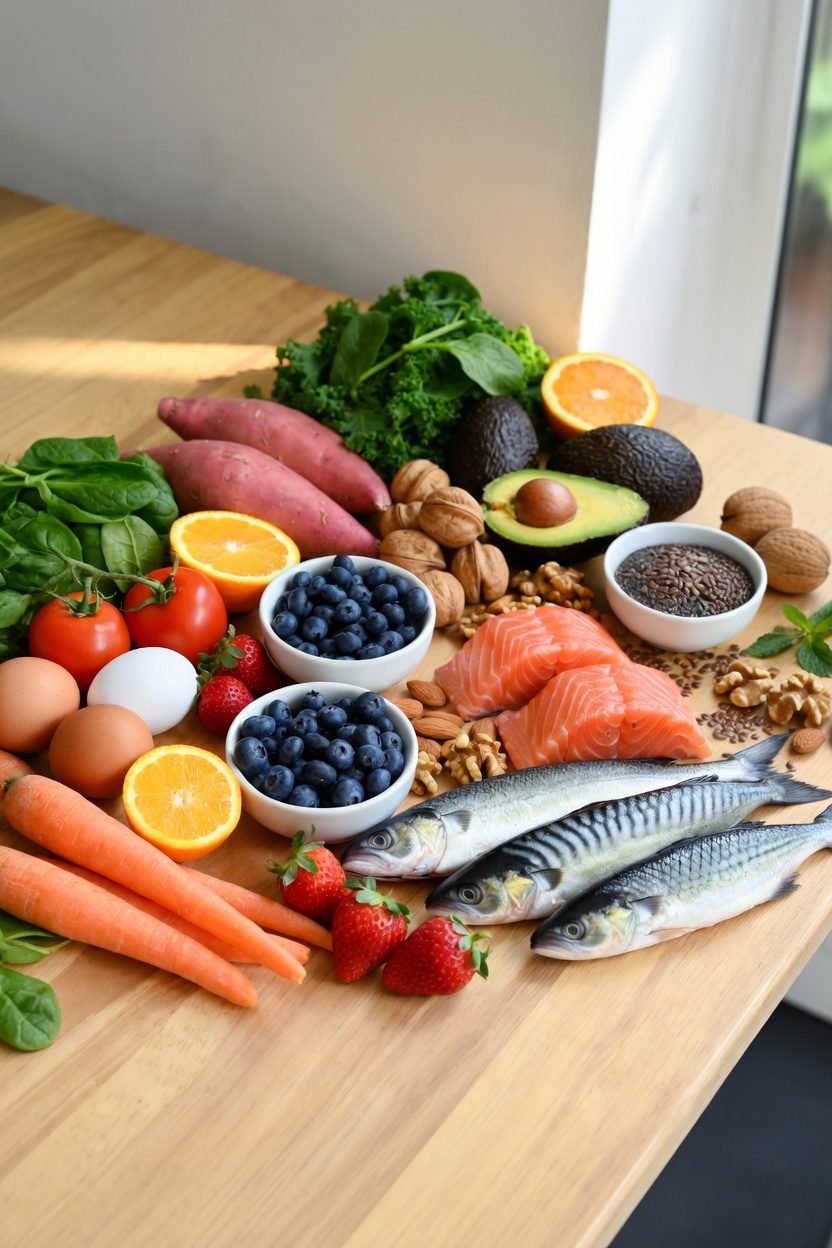
What Your Skin Is Telling You and What to Eat
What Your Skin Is Telling You and What to Eat
Before the next viral superfood takes hold, it is worth asking a simple question: what does your skin actually need?
Not what an influencer’s sponsor says it needs. Not what a supplement brand’s website says. What the evidence says and, just as importantly, where the evidence goes quiet.
Your skin is your largest organ. It renews itself constantly, defends you daily, and has a habit of revealing nutritional deficiencies long before a blood test does. That makes it both a window into what is happening inside your body and a surprisingly responsive target for dietary change, if you know where to look.
What your skin is telling you
Persistent dryness and roughness can point to low levels of vitamin A, E, zinc, or omega-3 fatty acids, or simply inadequate hydration. Dry, itchy, or inflamed skin, including acne breakouts, may be associated with vitamin D deficiency. Pale, dull skin that lacks radiance, heals slowly, or feels thinner than it used to can be an early sign of low zinc and iron.
Small painless bumps around hair follicles (“chicken skin”) are characteristic of vitamin A deficiency. Hair loss may indicate zinc, selenium, or iron deficiency. Reduced skin elasticity and firmness can reflect low copper, zinc, protein, or vitamin C, all of which are needed to build and maintain collagen and elastin.
None of these signs is diagnostic on its own. Genetics, hormones, medications, sleep, and stress all play a role. A blood test is always needed to confirm a deficiency. It is also worth knowing that some skin changes require a dermatologist’s assessment and prescription treatment alongside any dietary measures. But knowing what to look for means you are better placed to have an informed conversation with your family doctor or dietitian.
The nutrients that matter most
Vitamin D
Your skin does more than absorb sunlight. It is the first step in a three-stage process, moving through the liver and kidneys, that produces active vitamin D. The end result plays a role in cell repair, immune defence, and keeping the skin barrier intact.
Sunlight is the main source, but food contributes too: oily fish, eggs, mushrooms, and fortified products all provide some. Because winter sunlight in Europe is too weak to trigger production, public health bodies across the continent recommend supplementing through the colder months. The benefits extend well beyond skin, covering immunity and bone health too.
For skin specifically, the first visible sign of deficiency is telling: a dull, greyish complexion.
Carrots and the retinol myth
Carrots are genuinely nutritious: they contain antioxidants including alpha-carotene and lutein, vitamin C, potassium, B vitamins, fibre, and anti-inflammatory compounds. Good credentials.
They also contain beta-carotene, which the body can convert into vitamin A. And vitamin A, in its active form retinol, matters a great deal for skin: it drives cell turnover, supports collagen and elastin production, helps clear dead skin cells, regulates sebum, and acts as an antioxidant against premature ageing.
The catch is that conversion from beta-carotene to retinol is inefficient and varies considerably between individuals. Eating carrots will not deliver meaningful retinol to your skin. For that, you need preformed vitamin A, found in liver, oily fish, eggs, and dairy. Both forms require dietary fat to be absorbed. For plant-based sources, a drizzle of olive oil or a serving of avocado alongside your vegetables will support absorption. Animal sources such as dairy, eggs, and liver already contain enough fat within their natural nutrient matrix to ensure efficient absorption.
Extra virgin olive oil is worth a mention in its own right: it is rich in vitamin E, carotenoids, and polyphenols with anti-inflammatory properties, making it a useful vehicle for fat-soluble nutrients and a meaningful contributor to skin health more broadly.
The nutrients your skin actually needs
Polyphenols are found in a wide range of colourful plant foods. Their jobs include protecting collagen and elastin from enzymatic breakdown, slowing wrinkle formation, and reducing inflammation. Red onions, red apples, berries, red peppers, and matcha are particularly rich sources. Tannins, found in matcha, black tea, and red wine, interfere with nutrient absorption, so these drinks are best consumed between meals rather than alongside food.
Vitamin C is essential for collagen synthesis and is stored in high concentrations in the epidermis. Skin cells absorb more vitamin C from the gut than from topical creams. Smokers and heavy drinkers have significantly depleted levels. Good sources include kiwi, citrus fruits, blackcurrants, broccoli, and potatoes eaten with the skin on.
Zinc supports collagen production, wound healing, immune function, and skin barrier integrity. Around 5 to 6 per cent of the body’s zinc is found in the skin. Animal sources are best absorbed; plant sources should be paired with vitamin C to improve uptake.
Iron is irreplaceable for oxygen delivery to skin cells, collagen synthesis, and keratinocyte proliferation. Low iron means not only looking pale, but impaired skin cell turnover, dryness, and slower healing. Premenopausal women need 14.8 to 18 mg per day depending on country; adult men need around 8 to 11 mg per day. Pair plant-based iron sources with vitamin C, and separate iron-rich meals from tea, coffee, and calcium-rich foods.
Omega-3 fatty acids maintain the skin’s lipid barrier, reduce inflammation, and keep skin hydrated and supple. Aim for 2 to 3 portions of fish per week, including at least one serving of oily fish. Plant sources provide ALA only, which converts poorly to the EPA and DHA the skin needs.
Vitamin B3 (niacinamide) regulates sebum, reduces inflammation, stimulates collagen production, and protects the epidermis from UV damage. B5 hydrates and repairs the skin barrier; B7 (biotin) supports fatty acid metabolism and keeps skin, hair, and nails healthy. All three are found across meat, fish, wholegrains, eggs, legumes, and nuts.
Copper and selenium are trace minerals that tend to be overlooked. Copper supports collagen, elastin, and melanin production. Selenium protects skin from oxidative damage, but has a narrow safety margin: 2 to 3 Brazil nuts per day is enough to meet recommended daily levels, and more can be toxic. Both are present in a varied, balanced diet.
What about collagen supplements and bone broth?
The evidence behind collagen supplements’ claims for skin firmness and wrinkle reduction is not solid, and the reasons are worth understanding. When you ingest a collagen supplement, your body treats it like any other protein, breaking it into amino acids and directing them where they are most urgently needed, which may be your joints rather than your skin. The most rigorous meta-analysis to date (Myung and Park, 2025) found no significant benefit for skin ageing once industry funding and study quality were accounted for. Bone broth has an even weaker evidence base for skin-specific outcomes.
Your body is entirely capable of producing the collagen it needs, as long as your diet provides the amino acids glycine, proline, and hydroxyproline from protein-rich foods, and the cofactors: vitamin C, zinc, selenium, copper, and vitamin A.
Protein, hydration, and the bigger picture
Protein is the foundational building block for collagen, elastin, and skin barrier integrity. Aim for variety: fish 2 to 3 times a week, plenty of beans and pulses, 2 to 3 servings of dairy daily, eggs, nuts, seeds, and tofu. Up to 2 servings of red meat per week is consistent with a balanced diet; highly processed meats should be limited.
Hydration is simpler than it sounds for most healthy adults: aim for around 2,000 ml per day for women and 2,500 ml per day for men, adjusting upwards for heat, exercise, and illness. For most adults, the most practical guide is urine colour: pale straw yellow means you are well hydrated. A note for older adults: the sense of thirst diminishes with age, meaning elderly individuals may not recognise the need to drink before dehydration has already set in. For this group, regular scheduled drinking rather than waiting to feel thirsty is important.
Fermented foods, including kimchi, kefir, yoghurt, sauerkraut, miso, and sourdough, support gut health through the gut–skin axis. The direct evidence for skin outcomes remains limited, but the gut health benefits are well established and make this a reasonable dietary step.
The bottom line
No single food, supplement, or ingredient will transform your skin. What the evidence consistently supports is a varied, balanced diet rich in whole foods, one that covers the full range of nutrients your skin needs to renew, repair, and protect itself. The most effective skin supplement is not in a bottle. It is on your plate.
