
Understanding Gut Health Through The Female Lifecycle
The Profound role Of the Gut Microbiome
A growing body of research highlights the significant role the gut microbiome plays in human health. While it is ideal to prioritise gut health from birth, many people only gain awareness in adulthood. Scientific understanding of gut health has advanced significantly in recent years, but our knowledge remains incomplete, particularly concerning differences between male and female microbiomes. Notably, there is a lack of research focused on female health; however, existing evidence does indicate a strong link between menstrual cycles and gut function.
It is never too late to make positive changes to improve gut health. Informed decision-making, guided by scientific evidence and professional advice, is essential to avoid reliance on unqualified sources that promote risky quick fixes. Nutritional guidance and tailored recommendations are crucial for improving gut health and overall wellbeing.
The Gut Microbiome: From Birth To Puberty
Your gut microbiome is as unique as your fingerprint, forming from birth. Initial microbes are transferred during delivery, whether vaginally or via caesarean section. Influences on the microbiome during early life include breastfeeding or formula feeding, diet during weaning, home environment, and exposure to pets.
Research shows that boys’ and girls’ gut microbiomes are similar until puberty, when sex-specific differences emerge. For instance, women tend to have a lower abundance of Bacteroides species but higher alpha diversity, which measures microbial variety. These differences, termed the ‘microgenderome,’ persist into adulthood and may help explain disparities in immune responses and disease susceptibility between men and women.
Hormones and The Gut Microbiome
Sex hormones significantly influence the gut microbiome:
- Oestrogens (estriol and estradiol): These hormones reduce bacterial virulence by inhibiting quorum sensing, a bacterial communication mechanism. A well-functioning gut, supported by a diet rich in fibre and nutrients, fosters a healthy microbial environment. Gut microbes such as Lactobacillus produce an enzyme called β-glucuronidase (gmGUS), which regulates oestrogen metabolism. An imbalance in gut composition can lead to excessive or insufficient production of this enzyme, affecting oestrogen levels. This imbalance can impact body fat, metabolism, bowel movements, bone health, skin conditions, and even brain function, as oestrogen receptors are present throughout the body.
- Progesterone: This hormone enhances the growth of specific bacteria, including Bacteroides and Prevotella intermedius. However, progesterone can also affect intestinal permeability, increasing susceptibility to inflammation and potentially contributing to low mood or anxiety.
Sex hormone receptors on gut cells indicate the gut’s responsiveness to hormonal changes, influencing gut motility, sensitivity, inflammation, and microbial composition. Conversely, gut bacteria can recycle oestrogens, showcasing a bidirectional relationship.
Hormonal Fluctuations And Gut Health
Menstrual Health
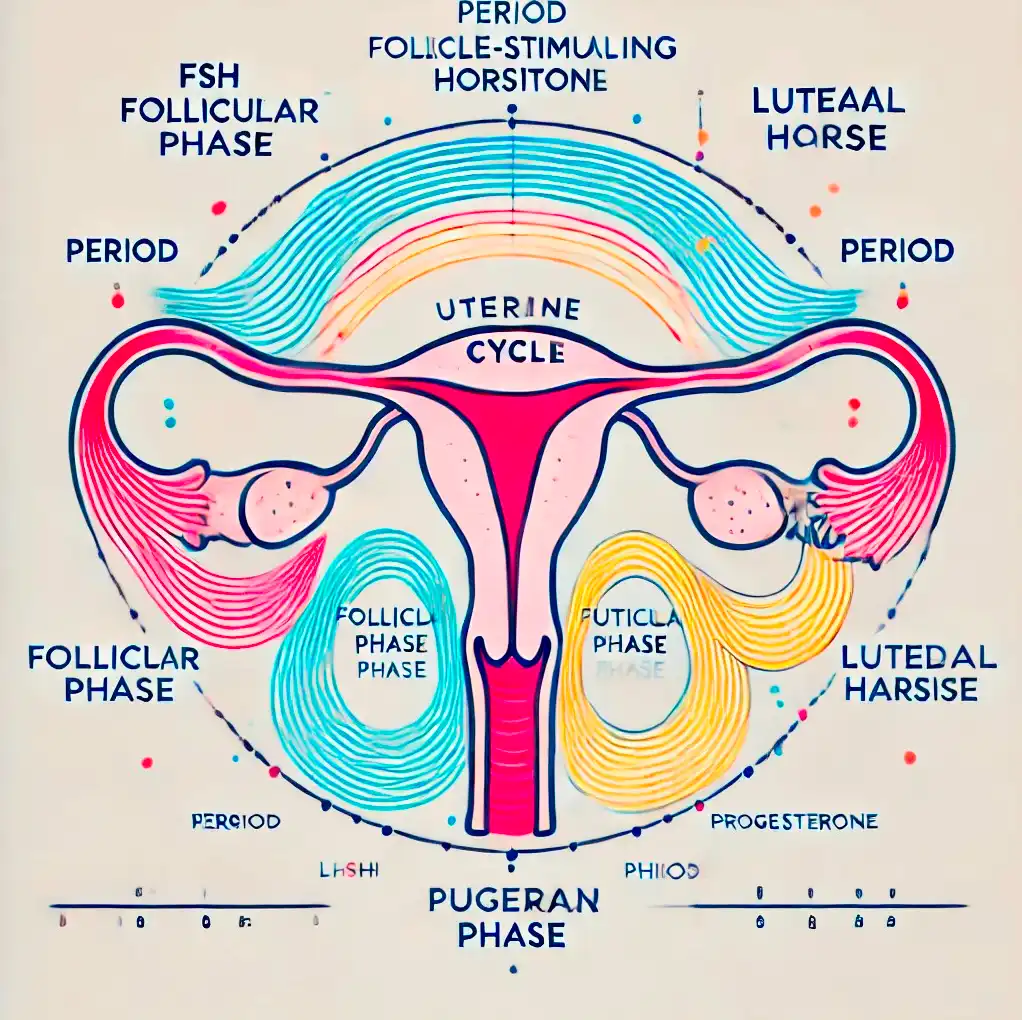
The menstrual cycle significantly impacts gut function. Hormonal fluctuations during this time can cause diarrhoea, bloating, and abdominal pain. The follicular phase (dominated by oestrogen) peaks at ovulation, followed by the luteal phase (characterised by rising progesterone). Up to 73% of women report gut symptoms during menstruation, with those experiencing IBS or perimenopausal hormonal shifts reporting more severe symptoms.
Pregnancy
During pregnancy, rising oestrogen and progesterone levels slow gut motility, often causing constipation. The gut microbiome adapts to support the baby, with microbial shifts ensuring fat storage for milk production. Late in pregnancy, Bifidobacterium species increase, aiding the baby’s microbiome during vaginal birth and breastfeeding.
Menopause
Perimenopause and menopause bring declining oestrogen levels, reducing microbial diversity. Dysbiosis (microbial imbalance) can lower oestrogen recycling and SCFA (short-chain fatty acid) production, such as butyrate. Butyrate, produced by bacteria fermenting fibre, helps maintain gut lining integrity, potentially reducing diarrhoea and inflammation. Reduced oestrogen levels also influence muscle mass, fat composition, metabolism, bone density, and brain function.
Practical Steps To Support Gut Health
- Track Symptoms: Monitor gut health alongside your menstrual cycle to identify patterns.
- Consult a GP: Discuss persistent gut symptoms with a doctor to rule out underlying conditions.
- Dietary Adjustments: Incorporate foods rich in fermentable fibres and resistant starch, such as legumes, whole grains, and nuts, to support butyrate-producing bacteria. Balance non-fibre foods to maintain gut, muscle, and bone health. A registered dietitian can help create a personalised plan.
- Build Sustainable Habits: Develop a step-by-step, evidence-based eating pattern with professional support.
- Focus on Basics: Maintain a fibre-rich, plant-based diet, stay active, and manage stress to support overall gut health.
The Role Of Hormones And The Gut-Brain Axis
Research links reproductive hormones to gastrointestinal function through the gut-brain axis, a complex communication network. Hormonal declines during menopause can disrupt this system, contributing to IBS symptoms, altered motility, and increased gut sensitivity.
The Takeaway
Evidence demonstrates the profound impact of gut health on overall wellbeing, including menopause and beyond, underscoring the importance of a supportive diet. Women’s nutritional needs differ from men’s and vary further depending on individual health conditions, such as IBS or coeliac disease, or risks like osteoporosis.
Diet influences more than gut health—it plays a pivotal role in preventing diseases such as osteoporosis and cardiovascular disease, as well as supporting mental health and skin conditions. Both short- and long-term dietary habits can alter gut microbial composition, significantly affecting health outcomes.
By prioritising gut health through informed choices and professional guidance, you can optimise digestive health and broader aspects of physical and mental wellbeing, ensuring resilience at every stage of life.
If you would like to learn more about a suitable diet and need help planning one that is right for you, do not hesitate to get in touch.
