
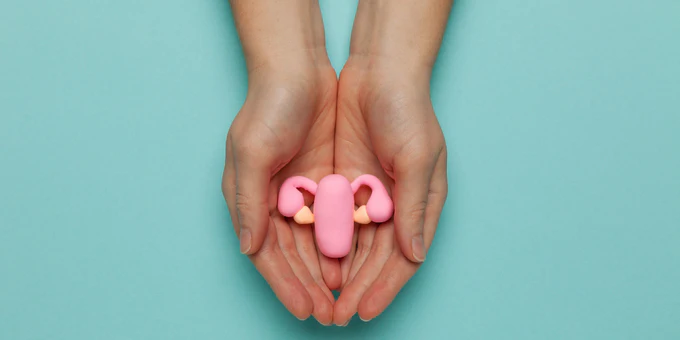
The story of the urogenital microbiome in menopause: what, why, and how.
The physiological ageing process and menopause, marked by declining oestrogen levels, can negatively alter the urogenital system. Vaginal atrophy secondary to reduced oestrogen involves thinning of the vaginal walls, changes in bacterial flora, and an increase in vaginal pH. These changes are commonly associated with symptoms such as vaginal burning, itching, irritation, and dyspareunia.
Let’s take a closer look at bacterial flora changes and what may help. The urinary microbiota of premenopausal women differs from that of postmenopausal women; however, both groups show changes in a key group of bacteria associated with a healthy vagina — Lactobacillus. It is well established, according to scientists specialising in this area, that predominant Lactobacillus colonisation of the vaginal flora is essential for vaginal health. A reduction in several Lactobacillus species may contribute to vaginal disease.
In menopausal and perimenopausal women, this reduction is associated with increased susceptibility to urinary tract infections, vaginal thrush, and mixed urinary incontinence. It is believed that a low relative abundance of Lactobacillus in urine drives these changes. However, declining Lactobacillus levels are themselves largely driven by falling oestrogen levels and the resulting reduction in free glycogen within the vaginal epithelium — the primary “food source” for Lactobacillus bacteria.
In the presence of oestrogen, vaginal epithelial cells accumulate glycogen, which Lactobacillus metabolises into lactic acid (Miller et al., 2016). This process lowers vaginal pH and reduces colonisation by pathogenic bacteria such as Chlamydia trachomatis, Neisseria gonorrhoeae, and Trichomonas vaginalis. Conversely, microbial changes may also reflect individual variation in the urinary microbiota or be influenced by temporal factors such as menstruation or coitus.
During this hormonally shifting period, while Lactobacillus-specific species decline, higher levels of Mobiluncus — a bacterium linked to infections such as bacterial vaginosis (BV) — have been observed. Another study identified a dominant presence of Prevotella in women experiencing genitourinary syndrome of menopause. The concept of linking microbial changes driven by declining oestrogen levels with vaginal symptoms is relatively new, but it is an important area to watch.
When discussing microbial flora, it is essential to recognise that microbial health affects almost every organ system. The gut is the most widely recognised, but the microbiome also influences the liver, skin, and — central to this discussion — the urogenital tract. Many factors shape the final bacterial composition within each organ system and vary between individuals. In adults, the microbiome is strongly influenced by age, genetics, ethnicity, diet, physical activity, chemotherapy, probiotics, prebiotics, smoking, stress, and exposure to endocrine-disrupting chemicals (EDCs), all of which can alter microbial populations.
These shifts can make the urinary tract more vulnerable to infection, particularly when combined with tissue thinning and dryness that commonly occur after menopause. Importantly, gut health also affects reproductive organs. Recent research shows that a well-functioning gut — where the estrobolome (the gut microbiota genes involved in oestrogen metabolism) is balanced — supports the reabsorption of oestrogen into the bloodstream. This may help maintain more protective oestrogen levels in vaginal tissues.
So, what can be done to support the microbial flora of the urogenital tract? There is growing interest and evidence supporting the use of Lactobacillus-based probiotics to help maintain a healthy urinary microbiome. Some studies suggest they may reduce the recurrence of UTIs by keeping uropathogens in check. Additionally, gut-focused dietary strategies may be beneficial, including the inclusion of foods that act as phytoestrogens. These foods do not contain oestrogen but provide plant compounds — such as isoflavones found in soya — that bind to oestrogen receptors and exert mild oestrogen-like effects, potentially easing menopausal symptoms.
That said, probiotics are not a silver bullet and may not be appropriate for everyone. A holistic approach is always best, taking into account hydration, toileting habits, hormonal changes, and relevant medical history. Gut health has many dimensions and depends on individual imbalances or deficiencies. We also know that gut dysbiosis may be linked to low vitamin D levels, with wider health implications. Several studies examining the relationship between vitamin D and gut microbiota diversity demonstrate that vitamin D is essential for microbiome homeostasis. This highlights the importance of regularly monitoring vitamin D levels and supplementing when necessary to support overall gut microbial diversity, including Akkermansia muciniphila. This bacterium, belonging to the phylum Verrucomicrobia, plays a role in maintaining intestinal homeostasis by converting mucin into beneficial by-products.
Finally, while hydration does not directly influence oestrogen levels, inadequate fluid intake can impair hormone metabolism and distribution and has a direct impact on vaginal tissue health. Poor hydration further increases the risk of infection and discomfort, making it a simple but important factor in urogenital wellbeing.
If you’ve noticed an increase in UTIs or ongoing bladder symptoms since menopause, you don’t need to simply put up with it. There are practical, evidence-informed steps that can be taken to support your journey and help bring meaningful improvements.
For personalised guidance, you’re welcome to book an appointment with me. Together, we can explore whether approaches such as probiotics, tailored nutrition, or hormone-related strategies are appropriate for you and your individual needs.
